Guwahati with children can work well if you respect nap needs, heat, and the fact that a major temple queue is not the same as a playground. The city has open spaces, a large zoo, river novelty, and food kids will recognise — alongside humidity, traffic, and attractions that are adult-paced. This is an honest filter, not a fantasy of constant delight.
What usually works
Assam State Zoo-cum-Botanical Garden: The strongest all-ages outdoor option for many families. Go early. Bring water, hats, and a stroller only if paths you will use are compatible — some walking is required. Plan a half-day, not a residual hour between temples.
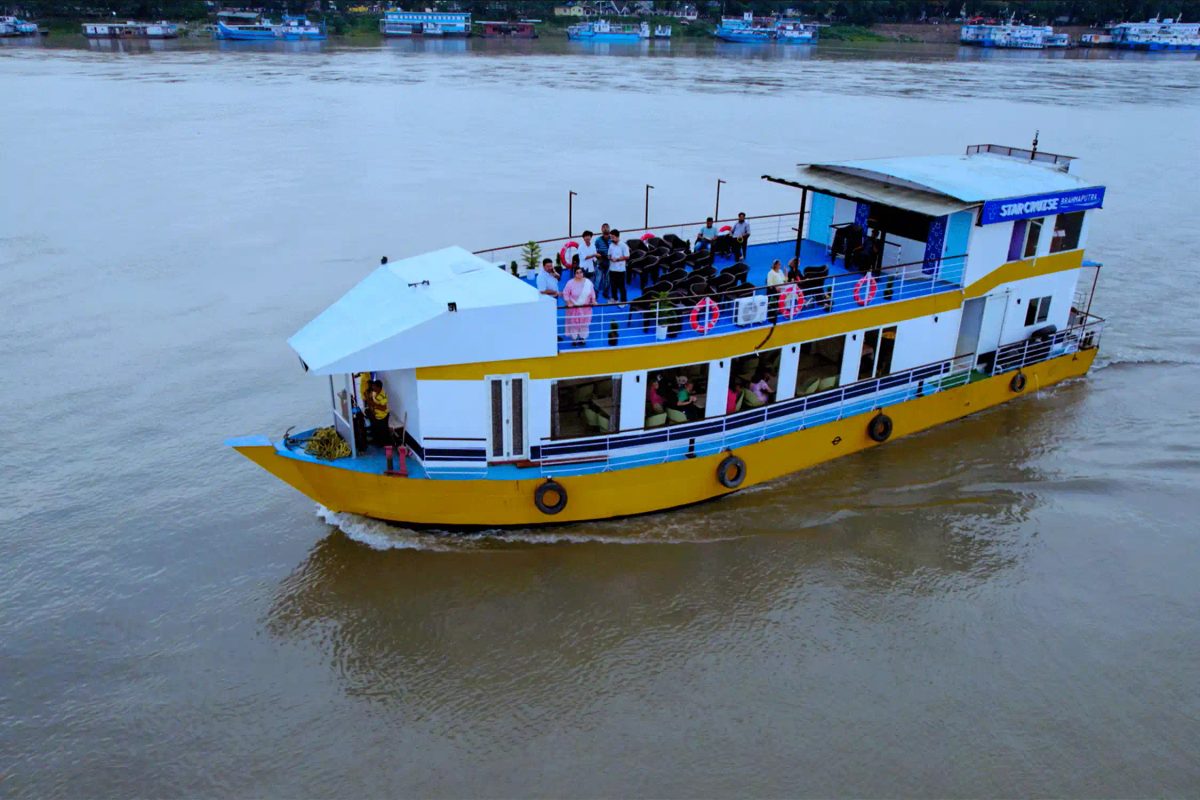
Short river experiences: A brief ferry to Umananda can feel like an adventure if children are old enough to sit still on a boat and handle a small island walk. Life jackets and close supervision are not optional mental notes; they are the plan. Skip if water is rough or a child is sick or fearful.
Parks and tanks: Dighali Pukhuri and similar open edges give space to move without a ticket. They are breaks, not full-day attractions.
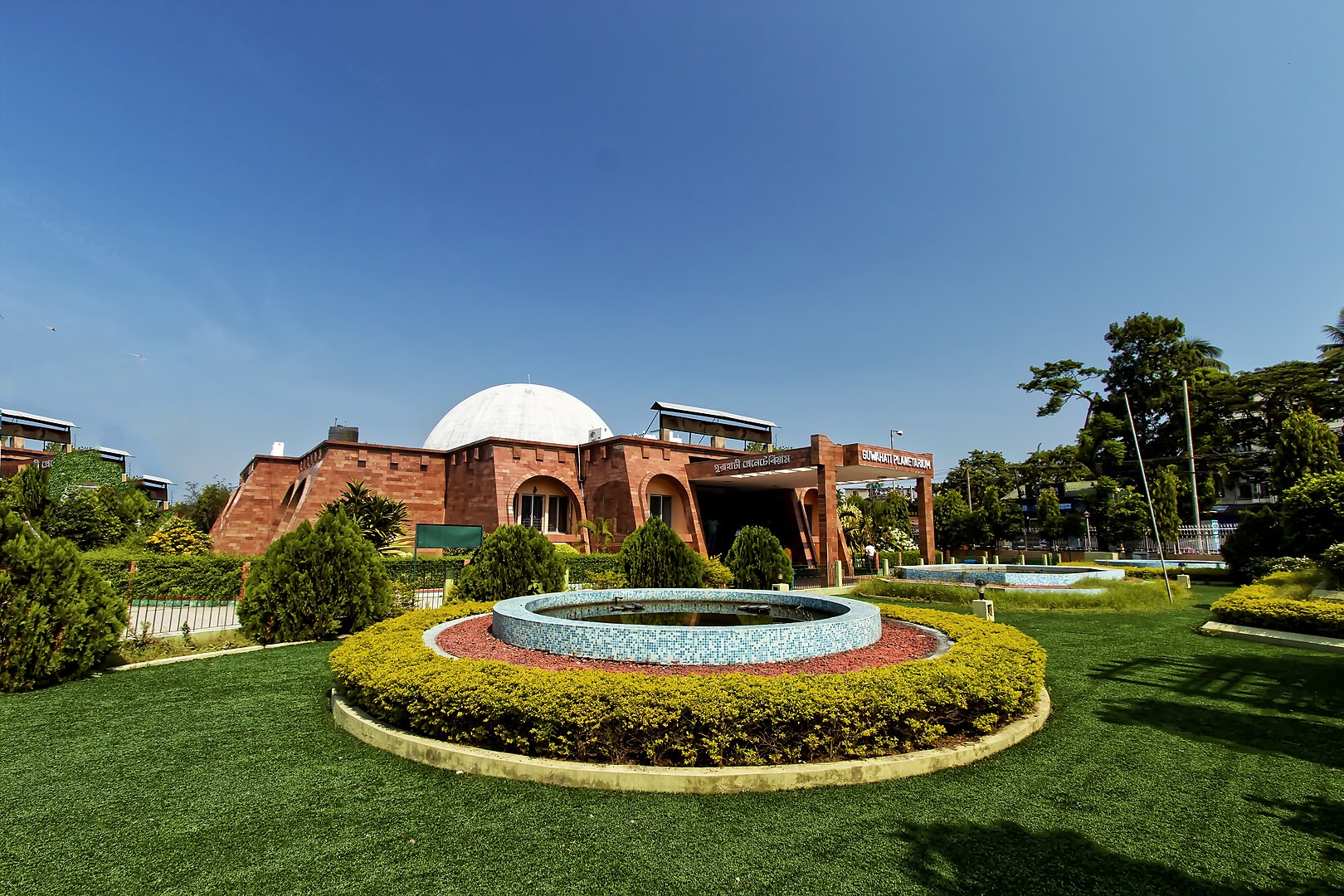
Science / interactive attractions: When open and age-appropriate, these help on hot or wet days. Verify current status before promising a child.
Temples with kids
Kamakhya is meaningful for many families and exhausting for others. Toddlers in long queues on a hill are a specific kind of hard. Strategies that help: go very early, keep the visit focused, carry snacks for after exit, and do not stack a second major temple the same morning. Explain basic behaviour expectations before you arrive. Footwear rules and crowds are part of the package.
Smaller or edge temples can be calmer if the goal is a shorter cultural stop.
Food with children
Familiar fallback foods exist throughout Guwahati — dosas, simple thalis, bakery items, noodles, and multi-cuisine hotel menus. Introduce Assamese flavours gently: mild dal-rice, fries, sweets. Street food is possible for older kids with careful stall choice; for younger stomachs, prioritise busy, hot, simple items or sit-down places. Carry ORS or rehydration habits in summer travel kits as you would anywhere in India.
A sample family day
- Early zoo or early short temple — not both at full intensity
- Hotel or restaurant lunch and downtime (AC matters in summer)
- Late afternoon open space or short market walk
- Early dinner, early night
A sample two-day family outline
Day 1: Light riverfront evening if you arrive by afternoon; protect sleep.
Day 2: Zoo morning, rest, snacks evening.
If parents want Kamakhya: One adult rotation if possible, or one focused early visit with kids only if they can handle it — do not force a miserable queue for a photo.
Transport reality
Car seats are not as universally available as in some Western rental markets; plan with the seats you bring or the vehicle you book. Autos are fine for short adult-heavy hops; families with luggage and strollers often prefer a cab for the day. Airport and station transitions need extra time with children — always.
Weather and health
Summer: hydration and shade rule the day. Monsoon: wet floors, slower traffic, indoor backups. Winter: pleasant days, cooler mornings — carry a layer. Mosquito awareness applies near green and river edges; use whatever protection your paediatric guidance supports.
What to skip or postpone
- Packed itineraries that look good on paper and fail by 2 pm
- Long countryside day trips on day one after a flight
- Late-night market missions with overtired toddlers
- Assuming every viewpoint is stroller-friendly
Teenagers
Teens may prefer markets, food exploration, river photography, and a lighter temple approach. Give them a role — navigating, ordering snacks, choosing the evening plan — so Guwahati is not only a parental checklist.
Where to stay with kids
Central hotels reduce transit fatigue. Airport-side stays help with early flights but can make city playtime more vehicular. Prioritise reliable hot water, breakfast included, and rooms that go quiet at night. A pool, when available and supervised, can save a hot afternoon.
Family travel in Guwahati succeeds on early starts, built-in rest, and one highlight per half-day. The river and the zoo do more heavy lifting than a long list of “maybe” stops. Keep the plan kind, and the city usually meets you halfway.
Strollers, carriers, and real terrain
Temple complexes and ferry approaches are often friendlier to carriers than to large strollers. Zoos vary by path. If you must choose one mobility tool for Guwahati mixed days, many parents prefer a carrier for stairs and a lightweight stroller only for flat park loops.
Emotional pacing
One disappointment is better than three rushed “highlights.” If the ferry is closed, say so simply and switch to ice cream and a tank walk. Children read parental stress faster than they read guidebooks. Your calm is part of the itinerary infrastructure.
Souvenirs kids actually want
A small toy from a market, a sweet in a safe sealed pack, or a postcard beats a fragile craft that parents must carry in fear. Let children choose within a price cap — it gives the market walk a mission.
Screen time and downtime without guilt
A short tablet hour in a cool room after the zoo is not a parenting failure. Guwahati heat and stimulus stack up. Structured downtime keeps the evening snack walk possible. Hotels with a small open area or reliable AC earn their rate on family trips for this reason alone.